January 31, 2007

January 2007 Digest

The Renewable Industrial Revolution

After more than 150 years, the Industrial Revolution is overdue for a major retooling. No longer can we heedlessly combust biomass and fossil resources without consideration for the carbon emissions and potential energy that "floats out the smokestack." But what can possibly replace the status quo paradigm that we have based so much of our energy, industry, transportation, and lifestyle liberties upon?

This BIO "BlogRing" - BIOstock Blog, BIOconversion Blog, BIOoutput Blog, and the new BIOwaste Blog - is intended to help identify the multi-faceted pieces of emerging biomass technologies. - is intended to help identify the multi-faceted pieces of emerging biomass technologies. Like a Rubik's cube, the parts are inextricably linked together, but currently in disarray. By addressing each facet independently, challenging issues will become clear. By shifting perspective, new collaborative solutions can be synthesized. Not just one solution but many, because the ultimate solution for any market will depend upon the resources, ecology, and stakeholders of that market.

Here are their most significant developments of January 2007, organized by blog...

BIOstock Blog--------------
• Utilizing Pine Beetle Wood Waste as BIOstock
• Japanese wood-to-ethanol facility uses Arkenol process
• CHINA: Choosing wood over corn for biofuels production
• Low heat gasification converts woody biostock to energy
• 25x'25 Vision of BIOstock Supply
• Food vs. Fuel: Over-reliance on Corn Raises Ag Prices
• Celunol produces Ethanol from Wood using Bacteria
• BIOethanol converted from pulping liquor
• Food vs. Fuel? U.S. Farmers Can Produce Both
• Black Liquor Gasification Technology Attracts Volvo Investment

BIOconversion Blog--------------
• Biomass: Year-in-Review
• Biomass Power Generation using Gasification
• ALT Energy Stocks: The Future of Ethanol
• FLORIDA: Cultivating a Bioconversion Industry
• Low heat gasification technique to convert biostock to energy
• Europe's "New Industrial Revolution"
• Celunol launches commercial-scale cellulosic ethanol plant in Japan
• Cellulose Ethanol Market Potential Report
• ACORE: President Bush on Renewable Energy in 2007
• Apollo Alliance pursues 'green-collar' jobs
• Ethanol and Net Energy - EROI
• The Renewable Path to Energy Security

BIOoutput Blog-----------------
• FAQ: BIOoutput Blog
• "Living with Ed" Begley, Jr. in Studio City
• CALIFORNIA: Governor Targets Fuel Emissions
• Electric cars - a boost for biofuels?
• CHINA: Pollution threatens 2008 Olympics
• BioButanol from Cellulosic Bioconversion
• From Food to Fuel to Fashion

NEW! BIOwaste Blog-----------------
• FAQ: BIOwaste Blog
• Spinning “Gold” Out of Trash
• Southern California Emerging Waste Technologies Forum
• The Benefits of Conversion Technologies
• Recycling’s “China Syndrome”
• Plasma Gasification and Incineration Compared
• CANADA: Municipal Solid Waste Disposal Options
• CHINA: Pollution threatens 2008 Olympics
• Using Algae to Recycle Flue Gas into Biofuels
• U.S. D.O.E.: Strategies for Reducing Greenhouse Gases
• CALIFORNIA: Air Resources Board tackles Global Warming
• Impact of Global Growth on Carbon Emissions
• Enforcing California's Greenhouse Gas Emissions Limits
• BIOwaste Energy as Explained on the Energy Kid's Page
• Expanded Recycling - a Key to Cutting Fossil Fuels and Global Warming
• Mayors seek $4B to fight Energy & Environmental Challenges
• MIT/PNNL Plasma Arc Waste-to-ethanol Solution

Each month we provide a similar breakdown of article titles from our favorite "companion" site - Biopact Blog. This list is kept current and is accessible in the right hand column of each of the three blogs.

Please forward a link to this digest to anyone you know who would be interested in keeping track of change that will affect us all. They can add their name to the mailing list on the BioConversion Blog.


technorati , , , , , ,

January 29, 2007

Black Liquor Gasification Technology Attracts Volvo Investment

Green Car Congress has run an article about an investment Volvo is making to help speed up the development of renewable fuels for the heavy vehicle industry.

They cite a Volvo Technology Transfer announcement and a report on the process developed by Chemrec AB of Sweden entitled Technical and Commercial Feasibility Study of Black Liquor Gasification with Methanol/DME Production as Motor Fuels for Automotive Uses—BLGMF.

Apparently their high-temperature gasification plant has recorded more than 1,100 hours of operating time producing syngas from black liquor.

Below is a snippet of the Green Car Congress article:

----------------
Volvo Invests in Black Liquor Gasification Company

Volvo Technology Transfer AB is investing in Chemrec AB, a company that has developed a technology for gasification of black liquor, a residual product from the pulp industry.

Chemrec has shown that there is an efficient process for converting biomass into renewable fuels. The Volvo Group has no intention of becoming a fuel supplier but wishes instead to continue to conduct engine development on a broad front. On the other hand, we do want to participate in the development of new processes for the production of alternative fuels.
—Anders Brännström, President of Volvo Technology Transfer

Using gasification rather than incineration to dispose of the black liquor creates a number of by-products including synthesis gas. With this synthesis gas it is possible to utilize known techniques to produce a range of vehicle fuels such as methanol, DME (dimethyl ether), Fischer-Tropsch synthetic diesel and hydrogen gas.


technorati , , , ,

Food vs. Fuel? U.S. Farmers Can Produce Both

The Biotechnology Industry Organization has released a study that addresses the question “Can American farmers feed the growing biofuel industry?” The report details the potential of cellulosic biomass as an energy resource and the promise of no-till cropping for greater residue collection. It also proposes guidelines and incentives to encourage farmers to produce, harvest and deliver sufficient feedstock to the growing biorefinery and biofuels industry in an economically and environmentally sustainable way.

Brent Erickson, executive vice president of BIO’s Industrial & Environmental Section, said, “Industrial biotechnology has enhanced the efficiency of biofuel production and made possible production of a range of polymers and chemicals from agricultural starting materials. The next challenge facing the biorefinery industry is producing, harvesting and delivering abundant feedstocks in an economically and environmentally sustainable fashion. This report begins to address that issue.”

Here are some statements from the report's Executive Summary:

----------------
Food Plus Fuel, Not Food or Fuel: U.S. Farmers Can Produce Both
The potential of cellulosic biomass as an energy resource and the promise of no-till cropping for greater residue collection.

In order to meet the U.S. Department of Energy (DOE) goal of 60 billion gallons of ethanol production and 30 percent displacement of petroleum by 2030, new feedstock sources will be required to supplement high-efficiency production from grain. A robust sustainable supply chain for cellulosic biomass from agricultural residues and dedicated energy crops will be needed within a few years. Nearly 1 billion dry tons of cellulosic biomass could be supplied by U.S. agricultural lands in the form of crop residues and dedicated energy crops.

A growing list of companies has announced intentions to begin construction of cellulosic biorefineries. One challenge for the emerging cellulosic biomass industry is how to produce, harvest and deliver this abundant feedstock to biorefineries in an economically and environmentally sustainable way.

An environmental and economic ‘optimum’ removal will balance sufficient retention of residues to avoid erosion losses and maintain soil quality while using excess residue as biorefinery feedstocks.

Ultimately, growing demand for crop residues will likely prove a strong additional driver for the transition to more widespread no-till cropping. Once a market for agricultural residues develops, individual farmers or groups of farmers may elect to adopt no-till cropping to attract biorefineries to their area. Residue collection may also enable notill cropping in wetter regions, such as the northern Corn Belt, where excess residues currently hamper germination and reduce yields.

In addition to economic benefits for farmers, sustainable production and collection of agricultural residues has the potential to deliver substantial benefits for the environment, such as reduced runoff of soil and fertilizers. But the greatest environmental benefits may be to the global climate through reduced emissions of fossil carbon and enhanced sequestration of soil carbon.

Congress should consider adopting supportive policy measures in the 2007 Farm Bill, including:
• Funding for accelerated development and production of one-pass harvesting equipment;
• Development and distribution of simple-to-use soil carbon models to allow farmers to compute how much crop residue can be collected without degrading soil quality;
• Assistance to farmers to encourage the transition to no-till cropping for biomass production;
• Incentives for the development and expansion of short line and regional rail networks;
• Funding for demonstration projects to streamline collection, transport and storage of cellulosic crop residue feedstocks;
• Development of a system to monetize greenhouse gas credits generated by production of ethanol and other products from agricultural feedstocks; and
• Funding for programs to help farmers identify and grow the most suitable crops for both food production and cellulosic biomass production.

Cellulosic biomass from agricultural residues and dedicated energy crops represents a highly promising new source of feedstock material for the production of ethanol, renewable chemicals and a range of commercial biobased products. Residues from existing crops can be utilized to greatly expand current biofuels production. American farmers are poised to deliver.


technorati , , , , , ,

January 28, 2007

BIOethanol converted from pulping liquor

Just in from GRAINNET is a press release about a Wisconsin based-paper manufacturing company replacing their natural gas boilers with a biomass boiler or gasifier. The objective is to produce 20 million gallons of cellulosic ethanol per year from the paper plant's spent pulping liquor.

The technology will come from American Process Inc. who claims:

Biorefinery Initiative
American Process Inc. is active in the lignocellulosic biorefinery field. Our proprietary process AVAP (American Value Added Pulping) produces ethanol from wood in an integrated biorefinery application.

This is a good example of the kind of initiative we can expect as forestry industry companies search for ways to reduce waste, mitigate their greenhouse gas emissions, cut costs by becoming more energy self-sufficient - all while providing new revenue streams by capitalizing on the sky-rocketing demand for renewable energy and biofuels. How many WINS is that?

Here is the entire release:

----------------
American Process, Inc. to Provide Engineering Services to Flambeau River Bioenergy's 20 MMGY Cellulosic Ethanol Plant in Park Falls, WI

Atlanta, GA and PArk Falls, WI -- Flambeau River Biorefinery, LLC of Wisconsin has entered into a Memorandum of Understanding with American Process Inc. of Atlanta, GA to provide project management and engineering services for its cellulosic ethanol project at Park Falls, WI.

The new biorefinery will be constructed adjacent to the Flambeau River Papers facility in Park Falls, WI.

Flambeau River Papers, LLC makes 400 tons per day of book printing and copy grades on three paper machines.

The mill recently announced plans to replace its natural gas boilers with a biomass boiler or gasifier. This will make Flambeau River Papers the first energy independent integrated mill in North America.

The Flambeau River Biorefinery project will be the first modern U.S. based pulp mill biorefinery to produce cellulosic ethanol.

It will be designed to produce 20 million gallons of cellulosic ethanol per year from spent pulping liquor. The technology selected for this biorefinery is AVAP(TM), a patent pending process technology of American Process Inc.

This technology enables production of ethanol without putting additional pressure on the wood basket and without fossil fuel consumption.

The new biorefinery, as designed, will have a positive carbon impact of ~140,000 tons per year.

That is, it will displace carbon dioxide from the atmosphere. Once in operation, it will increase employment at the Park Falls area by approximately 100 people.

A feasibility study and preliminary engineering were completed in August 2006, when Flambeau River Biorefinery, LLC applied for the Integrated Commercial Biorefinery Demonstration grant from the Department Of Energy.

The production of ethanol expected to begin as early as 2009.

The commercial production of cellulosic ethanol got a boost after Tuesday's announcements in the president's state of the union address that increased the emphasis on domestic renewable fuels production.

The Flambeau River Biorefinery project will be amongst the first industrial co-producers of pulp and ethanol from wood.

Flambeau River Biorefinery, LLC is based out of Park Falls, Wisconsin and is the owner and developer of the pulp and cellulosic ethanol facility to be constructed in Park Fall, Wisconsin.

For more information, call Ben Thorp, Flambeau River Bioenergy, at 804-873-6561


technorati , , , , , ,

January 20, 2007

Celunol produces Ethanol from Wood using Bacteria

Celunol Corporation out of Dedham, Massachusetts is making good on its commitment to help open commercial-scale cellulosic ethanol facilities this year using their proprietary wet biomass conversion technology.

The technology

The sugar in cellulosic biomass is locked up in the form of cellulose and hemicellulose. Cellulose contains glucose, the same type of sugar—a six-carbon (C6) sugar—that is found in cornstarch and that can be fermented to ethanol using conventional yeasts.  However, hemicellulose contains mainly non-glucose sugars—five-carbon (C5) sugars.  Conventional yeasts cannot ferment most non-glucose sugars to ethanol with commercially acceptable yields.

Celunol’s technology enables almost complete conversion of all the sugars found in cellulosic biomass.  This efficiency advantage, combined with the low input cost of cellulosic biomass, results in superior economics in the production of ethanol.

(Its) groundbreaking technology is based on the metabolic engineering of microorganisms. Its key element is a set of genetically engineered strains of Escherichia coli bacteria that are capable of fermenting into ethanol essentially all of the sugars released from many types of cellulosic biomass. This trait enables Celunol to achieve the required efficiency to make the process commercially feasible.

----------------
BioEthanol Japan Begins Production of Cellulosic Ethanol from Wood Scraps; Uses Celunol Technology

BioEthanol Japan on Tuesday became the world’s first company to produce cellulosic ethanol from wood construction waste on a commercial basis.

The plant in Osaka Prefecture has an annual capacity of 1.4 million liters (about 370,000 gallons US). In 2008, it plans to boost production to 4 million liters (1 million gallons).

BioEthanol Japan was established in 2004 by five companies, including construction firm Taisei Corp., major trading house Marubeni Corp., Daiei Inter Nature System, and beermaker Sapporo Breweries Ltd.

Marubeni is supplying the process technology, which it has licensed from US-based Celunol (earlier post), to BioEthanol Japan. Marubeni is also supplying the same technology for a wood ethanol project in Asia, and is also involved in a bioethanol project using sugar cane in Thailand run by the New Energy and Industrial Technology Development Organization (NEDO).

Celunol is a privately held company headquartered in Dedham, Massachusetts moving rapidly to commercialize its proprietary technology for producing ethanol from a wide array of cellulosic biomass feedstocks, including bagasse, agricultural waste, wood products and dedicated energy crops.


technorati , , , , ,

Food vs. Fuel: Over-reliance on Corn Raises Ag Prices

Lester Brown of the Earth Policy Institute is a commited advocate for "an environmentally sustainable economy. He has written a book called Plan B 2.0: Rescuing a Planet Under Stress and a Civilization in Trouble:

Sustaining our early twenty-first century global civilization now depends on shifting to a renewable energy-based, reuse/recycle economy with a diversified transport system. Business as usual—Plan A—cannot take us where we want to go. It is time for Plan B, time to build a new economy and a new world.

Plan B has three components—(1) a restructuring of the global economy so that it can sustain civilization; (2) an all-out effort to eradicate poverty, stabilize population, and restore hope in order to elicit participation of the developing countries; and (3) a systematic effort to restore natural systems.

Brown has been getting press lately for uncovering what he sees as a gross underestimation of corn demand numbers for the ethanol industry by governmental agencies.

There is clearly a major liability whenever producers or consumers shift precipitously from one energy resource to another. Just this last spring, the decision of oil producers to switch en masse from MTBE to ethanol in large measure precipitated the gasoline price spike.

Unlike Mr. Brown, I don't agree that there needs to be a government crack-down on the licensing of ethanol plants. Let the market "separate the wheat from the chaff."

I believe that a lasting solution is best achieved by diversifying the source of feedstock from a harmful overreliance on a single biostock (corn or sugarcane) to the introduction of new biostocks such as other crops, ag waste, forestry, and urban wastes. For this to occur, we need incentives and regulatory reform for R&D and deployment of more decentralized plants - especially cellulosic ethanol pilot plant scale-ups of promising emerging technologies.

Below is Mr. Brown's alarming account of the unrealistic forecasting being promulgated by the USDA:

----------------
DISTILLERY DEMAND FOR GRAIN TO FUEL CARS VASTLY UNDERSTATED:
World May Be Facing Highest Grain Prices in History
by Lester R. Brown of the Earth Policy Institute

The U.S. Department of Agriculture (USDA) projects that distilleries will require only 60 million tons of corn from the 2008 harvest. But ...the Earth Policy Institute (EPI)...estimates that distilleries will need 139 million tons—more than twice as much. If the EPI estimate is at all close to the mark, the emerging competition between cars and people for grain will likely drive world grain prices to levels never seen before....

According to the EPI compilation, the 116 plants in production on December 31, 2006, were using 53 million tons of grain per year, while the 79 plants under construction—mostly larger facilities—will use 51 million tons of grain when they come online. Expansions of 11 existing plants will use another 8 million tons of grain (1 ton of corn = 39.4 bushels = 110 gallons of ethanol).

In addition, easily 200 ethanol plants were in the planning stage at the end of 2006. If these translate into construction starts between January 1 and June 30, 2007, at the same rate that plants did during the final six months of 2006, then an additional 3 billion gallons of capacity requiring 27 million more tons of grain will likely come online by September 1, 2008, the start of the 2008 harvest year. This raises the corn needed for distilleries to 139 million tons, half the 2008 harvest projected by USDA. This would yield nearly 15 billion gallons of ethanol, satisfying 6 percent of U.S. auto fuel needs. (And this estimate does not include any plants started after June 30, 2007, that would be finished in time to draw on the 2008 harvest.)

This unprecedented diversion of the world’s leading grain crop to the production of fuel will affect food prices everywhere. As the world corn price rises, so too do those of wheat and rice, both because of consumer substitution among grains and because the crops compete for land. Both corn and wheat futures were already trading at 10-year highs in late 2006.

With corn supplies tightening fast, rising prices will affect not only products made directly from corn, such as breakfast cereals, but also those produced using corn, including milk, eggs, cheese, butter, poultry, pork, beef, yogurt, and ice cream. The risk is that soaring food prices could generate a consumer backlash against the fuel ethanol industry.

We need to make sure that in trying to solve one problem—our dependence on imported oil—we do not create a far more serious one: chaos in the world food economy.


technorati , , , , ,

January 17, 2007

25x'25 Vision of BIOstock Supply

The 25x'25 Alliance lobbies Congress on behalf of the producers of agricultural and forestry feedstock producers in the United States. Its purpose is to explore agriculture and forestry’s role in helping the nation meet its energy needs. After canvasing the opinions of hundreds of producers and dozens of agricultural associations it formulated a target:

By the year 2025, America’s farms, ranches and forests will provide 25 percent of the total energy consumed in the United States from renewable sources, while continuing to produce safe, abundant and affordable supplies of food, feed, and fiber. This goal will be met by producing bio-based fuels for transportation, harnessing wind energy, capturing and converting sunlight into energy, converting agricultural wastes and by-products into energy sources, and growing biomass for energy production.

It has a rapidly growing number of members ranging from the American Farm Bureau Federation and the National Farmers Union to the Natural Resources Defense Council and Environmental Defense. The 25x’25 vision has been endorsed by the “Big 3” U.S. automobile manufacturers, Deere & Company, the Theodore Roosevelt Conservation Partnership, and the National Wildlife Federation. Others include the National Rural Electric Cooperative Association, the Renewable Fuels Association, the National Biodiesel Board and the Biotechnology Industry Organization.

Below is some of the testimony provided to the Sentate Committee on Agriculture, Nutrition & Forestry on January 10, 2007.

Total Energy Feedstock Quantities Produced


-----------------
Senate Committee on Agriculture, Nutrition & Forestry
Hearing on Agriculture and Rural America's Role in Enhancing National Energy Security

Testimony of J. READ SMITH, STEERING COMMITTEE CO-CHAIR, 25X’25 RENEWABLE ENERGY ALLIANCE

We represent a diverse collection of endorsing partners,
Our vision is a food, feed, fiber and fuel vision. With emerging technologies and appropriate policies, agriculture can produce multiple commodities. In 2005, we tested this vision with leaders representing all aspects of production agriculture and forestry. Their response was overwhelmingly positive. By the end of the year, we had secured endorsements from nearly 80 national and regional entities.

Forest residues, mill wastes and small-diameter trees from thinning forests to reduce the risk of forest fires comprise the woody biomass feedstocks evaluated in the study. The nation has over 400 million acres of privately owned forest land, with over 40 million of these acres in plantation forests. This forest resource could provide additional woody feedstocks. A follow-up study focusing on these specific feedstocks is planned.

We recognize that our partners in animal agriculture are experiencing significant price increases in many of their primary feedstocks. Even as demand for ethanol increases, the corn yield curve is increasing at an accelerated rate, due to advances in biotechnology and improved cropping practices. There are strong indications that as corn demand continues to increase, because of ethanol production, some acreage may be shifted in the short term to corn and away from other crops. Accelerated research and development is needed to help address the concerns of the livestock sector, particularly relative to the use of distiller grains and other challenges.


In the coming weeks, as you once again take up Farm Bill legislation, we urge you to ensure that the Energy Title is structured and funded commensurate with the challenge and opportunity facing the nation and our farmers, ranchers and forest land managers. In February we will be releasing the 25x’25 Implementation Plan, and we look forward to sharing these recommendations with you and the Members of this Committee.


technorati , , , , , , ,

January 13, 2007

Low heat gasification converts woody biostock to energy

The thermal process of gasification is one way to break down the bonds of cellulosic feedstock into syngas (primarily CO and H2). Some processes, like plasma arc, uses extremely high heat to "vaporize" the biostock.

Here is an announcement from Germany about a company that has been getting very promising results from gasifying at a lower heat level. They claim, based on experiments with woody biomass, that the lower heat level enables the process to be applicable to a greater range of biostock, including wet forestry waste.

While commercial-scalability is always an issue, such advancements bring the vision of decentralized, blended feedstock, continuous flow bioconversion ever closer.

Here is a brief of the original article I found at Biopact. Thank goodness someone there can interpret German!

----------------
German consortium tests new biomass gasification technology, obtains record hydrogen yield

The 'Zentrum für Sonnenenergie- und Wasserstoff-Forschung' (ZSW) in Baden-Württemberg, Germany, announces that it has developed a new gasification technology for the production of an energy rich gas from biomass that can be used for the generation of electricy and heat, but also for the production of biohydrogen, biomethane and a series of next-generation synthetic liquid biofuels.

The innovation at the ZSW concentrates on the water vapour gasification of biomass in the presence of a CO2 absorbent. The technology is based on an innovative step in a process called 'Absorption Enhanced Reforming' (AER), which was developed in cooperation with the University of Stuttgart and other European partners. During the gasification process, solid biomass is converted into a hydrogen-rich and carbon-oxide-poor fuel gas with a low tar content by means of integrated gas conditioning. Compared to other gasification processes, the AER technique yields gas with a much higher hydrogen content; pilot tests showed yields of up to 70% hydrogen, an unprecedented level.

The integrated gasification-cogeneration plant uses woody biomass as a feedstock. But, compared to conventional gasification methods, the AER technique considerably reduces the temperatures required for the gasification of biomass. This not only reduces the amount of energy needed to drive the process, it also allows for a much broader range of feedstocks to be used, including wet biomass. Large waste-streams from the agroforestry industry now become available: from grass and straw residues with low ash melting points, which weren't useable until now, to wet wood (leaves, shoots).

January 12, 2007

CHINA: Choosing wood over corn for biofuels production

China is the elephant in just about every room but especially in the house of bioenergy. Its rapid rate of industrialization, its immense population, its consumer potential, its greenhouse gas and particulate matter emissions, etc., are all contributing to a skyrocketing demand for biofuels. How will they balance this demand with their other needs - raw materials, food, pollution control, national security, political control? The answer to this will have a major impact the our future.

Wisely, they are making great efforts to diversify their feedstock, invest in new technologies, and decentralize their power generating and fuel refining activities. Here is an abridged version of an article I found on Resource Investor's website that originated at Interfax China Commodities Dail.

-----------------
PetroChina to Use Forest Bioenergy as Ethanol Feedstock Alternative
by David Harman at Interfax China Commodities Daily

Xiao Hui, an analyst at United Securities, said ethanol produced from corn can't satisfy China's demand, especially with the country's recent restrictions, and will require new methods to produce alternative energy.

"Bio-energy has vast prospects in China, as we're looking for new alternative energy when traditional energy like oil is not sufficient," Xiao added.

In a statement, PetroChina said forestry bio-energy, a key part of China alternative energy development strategy, will achieve a win-win for industry and ecology, and ease energy supply shortages.

PetroChina plans to build more than 2 million metric tonnes of forest bio-energy ethanol production capacity per year, and account for more than 40 percent of the national capacity by 2010. The company also aims to construct 200,000 metric tonnes of bio-diesel capacity per year by then.

China has more than 6 million hectares of oleaginous forest with fruit output of more than 4 million metric tonnes. China can produce up to 500,000 metric tonnes of bio-diesel if they use one third of the plants, said Wang Tao, from China Academy of Engineering in Beijing in Nov 2006.

On Wednesday, China oil major China National Offshore Oil Co. [NYSE:CEO] announced it would join palm oil producer PT SMART Tbk and a Hong Kong energy firm to invest $5.5 billion in producing biofuel in Indonesia.

SMART, state-owned CNOOC and Hong Kong Energy Ltd. will spend $5.5 billion in three phases over eight years to develop crude palm oil-based biodiesel and sugarcane- or cassava-based bioethanol.


technorati , , , , , , ,

January 9, 2007

Japanese wood-to-ethanol facility uses Arkenol process

Among the many technologies under development for the conversion of biomass into cellulosic ethanol is concentrated acidic hydrolysis. Simply put, the process separates the biomass into two main constituents: cellulose and hemicellulose (the main building blocks of plant life) and lignin (the "glue" that holds the building blocks together), converts the cellulose and hemicellulose to sugars, ferments them and purifies the fermentation liquids into products.

Arkenol Biomass feedstocks include:
• agricultural residues (straws, corn stalks and cobs, bagasse, cotton gin trash, palm oil wastes, etc.),
• crops grown specifically for their biomass (grasses, sweet sorghum, fast growing trees, etc.),
• paper (recycled newspaper, paper mill sludge's, sorted municipal solid waste, etc.),
• wood wastes (prunings, wood chips, sawdust, etc.), and
• green wastes (leaves, grass clippings, vegetable and fruit wastes, etc.).

--------------------
Izumi Arkenol Ethanol Facility
Since 2002 NEDO (New Energy and Industrial Technology Development Center) /JGC of Japan has been using Arkenol concentrated acid-hydrolysis technology to perfect a continuous stream biomass-to-ethanol conversion process (initially using wood chips). Based in Izumi, Japan the facility touts the following:

Milestones Completed
• Full integration (vs batch processing) of the Arkenol concentrated acid-hydrolysis system using waste wood chips as feedstock, operational since 2002
• Cellulose conversion efficiencies stable at 70%, with optimization to 80%
• Sulfuric acid recovery at over 97% with reconcentration to 75% in continual use since 2002 resulting in minimum make-up acid requirement
• Lignin combustion testing completed successfully verifying use of lignin as solid fuel
• JGC-developed flash fermentation offers significant operating cost savings
• Uses NREL developed rec. Z. mobilis (under Arkenol license) in fixed bed and S. cereviscae to produce ethanol at 95% and above
• Capacity of continuous ethanol production raised from 100 liters/day to a total of 300 liters/day in March 2004
• Uses first commercial membrane distillation and purification system supplied by Mitsui with significant operating cost savings over conventional (molecular sieve) technology
• Ethanol produced used by Japanese Government program for engine drivability tests and materials coupon tests

-----------------
BlueFire Ethanol Identifies Southern California Landfill as Initial Location in the U.S. for Commercialization of Cellulose Ethanol Technology

BlueFire Ethanol, Inc. was established to deploy the commercially ready, patented, and proven Arkenol Technology Process of concentrated acid hydrolysis for the profitable conversion of cellulosic ("Green Waste") waste materials to ethanol.

(Bluefire plans to) build and operate an integrated biorefinery using cellulosic feedstock for the production of ethanol. The BlueFire biorefinery is proposed to be located at an existing landfill site in Southern California.

BlueFire's Southern California Biorefinery will process 700 tons of green waste and other cellulosic waste material per day into 24 million gallons of fuel grade ethanol per year with projected revenues of about $55 million and operating income of approximately $25 million per year. The proposed landfill location has been in existence since 1986 accepting approximately 10,000 tons per day of waste from Southern California Counties.


technorati , , , , , ,

January 4, 2007

Utilizing Pine Beetle Wood Waste as BIOstock

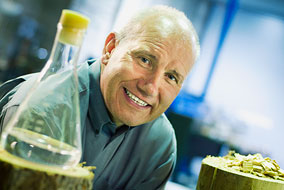
Forestry Dean Jack Saddler forecasts a seismic charge in agricultural and forest industries - photo by Darin Dueck

The size of the Mountain pine beetle (MPB) blight in Canada is in direct proportion to the number of trees found there. It is believed by many scientists that there is a connection between global warming and the spread of the infestation.

In an article published today by the University of British Columbia (UBC) the magnitude of the problem is pegged at about 1 Billion cubic meters of lodgepole in British Columbia by 2013. "An outbreak of this size is unprecedented in recorded history." That piece of information begs the following question - what is the total for all forests in North America?

In this article, UBC professor Jack Saddler projects that "if only 25 per cent of the MPB-killed wood was converted to ethanol, it could supply between five and ten years worth of BC’s gasoline requirements." Of even greater value of such an enterprise is the mitigation of the risk of having so much standing deadwood in our forests. How much particulate matter and CO2 will be released from fires consuming just some these trees? What impact would such fires have on industry, tourism, and population centers throughout the world?

Here are some excerpts from Professor Saddler's article...

------------------
Back to the Future: Substituting Wood for Oil with the “Forest Biorefinery”
By Jack Saddler, Professor of Forest Products Biotechnology and Dean
and Warren Mabee, Research Associate, Dept. of Wood Science, Faculty of Forestry

Over the past few years, the University of British Columbia (UBC) has been fortunate in obtaining federal and provincial support to establish a world class Clean Energy Research Centre based in the Faculty of Applied Science, while the Faculty of Forestry has received about $2.5 million to establish a Process Development Unit (PDU) to assess the potential of wood-based biofuels and chemicals. Our group also acts as the Task Leaders for the International Energy Agency's (IEA) network, coordinating the technical and policy issues influencing the global commercialization of liquid biofuels from biomass.

The ongoing Mountain pine beetle (MPB) outbreak (is) projected to cumulatively impact almost 1 billion cubic metres of lodgepole pine in the province of British Columbia by 2013. An outbreak of this size is unprecedented in recorded history. There is an accumulating surplus of standing deadwood in our forests, which increases the danger of catastrophic fires and reduces the merchantable volume of the working forest. While we will try to recover as much of the beetle-killed wood as possible in the short term for structural applications, we know that wood impacted by MPB loses its value as timber over time, and so wood that has been standing dead for extended periods cannot be processed into lumber, pulp or other advanced wood products. In the longer term, development of bioenergy applications may provide us with a cost-effective product that justifies harvesting and replanting activities. For example, if only 25 per cent of the MPB-killed wood was converted to ethanol, it could supply between five and ten years worth of BC’s gasoline requirements.

For the global forest industry, moving away from fossil fuels is an economic necessity, as volatility associated with fossil fuels has resulted in high energy costs for the industry in recent years. There is a need to extract additional values from our forest resource, and a need to accept ecosystem realities in forest industry practices. Biofuels and bioenergy, which are inherently carbon-neutral and work within the carbon cycle, represent a new model of business which all types of industry could follow.

A number of technological platforms for biofuel production exist and each should be explored to compare their effectiveness and their ability to produce value-added co-products. In all cases, the use of wood for biofuel production should be linked to bioenergy and bioproduct generation, creating a 'biorefinery' with multiple outputs. The biorefinery concept provides maximum economic and environmental returns by efficiently utilizing all components of the wood.

The size of the biofuel and bioenergy opportunity in Canada is huge and biorefinery technologies can and will bring about major changes to the sustainable energy future for our nation. These technologies have the potential to add long-term, sustainable jobs in rural, urban, and aboriginal communities. What is needed now is continued collaboration to create technical platforms for effective and sustainable use of bioenergy, and a strong political will for putting these platforms to work.


technorati , , , , , , ,

December 31, 2006

December 2006 Digest

December 2006 saw major developments in the commitment of whole industries to a new paradigm shift to renewable energy.

On the heels of last month's release of the forest products industry report called the Forest Products Industry Technology Roadmap several wood chip refinery press releases and wood industry reference sites became articles in the blogosphere. There were also two auto shows in Los Angeles that touted a new commitment to renewable energy propulsion systems including hybrids, electric cars, solar-powered, fuel cells, PHEVs, and flex-fuel vehicles.

The big news here is that the BIOstock Blog has a sponsor - Price BIOstock Services of Monticello, Arkansas. Originators of the BIOstock Services concept, The Price Companies has joined other industry leaders in recognizing the value of informing the general public of breaking information concerning emerging technology trends.

Here are their most significant developments of December 2006, organized by Blog...

BIOstock Blog--------------
• New Hampshire Renewable Power Plant Burns Wood Chips
• U.S. D.O.E. Information on "BIOstock" & Legislation
• HAWAII: Powering Paradise with biofuels
• Global BIOstock/BIOfuels Database
• Bioenergy Gateway: Energy from Wood
• Woody Biomass-to-Ethanol Demonstration Plant Contracted
• FLORIDA: Citrus Peels as BIOstock
• CANADA: Wood chips biorefinery venture announced
• Price BIOstock Services is a BIOstock Blog sponsor

BIOconversion Blog--------------
• Sugar Fermentation's Achilles Heel - Water
• James Woolsey on Biomass Conversion and PHEVs
• Decentralizing the BioFuels Industry
• NEW YORK: Cellulosic Ethanol Plant Demo Facility Contracted
• Xethanol's Cellulosic Ethanol Business Approach
• Bacteria - "Miniature Chemical Factories" Convert Waste to Ethanol
• Future Production of Liquid Biofuels
• Top Stories of 2006

BIOoutput Blog-----------------
• Carbon credits traded online
• "Mermaids' Tears" - Unrecycled plastic chokes the seas
• Alt Car Expo: A Day at the Beach
• A Tale of Two Auto Shows

New Feature
Each month we will provide a similar breakdown of December article titles from our favorite "companion" site - Biopact Blog. This list is kept current and is accessible in the right hand column of each of the three blogs.

Please forward a link to this digest to anyone you know who would be interested in keeping track of change that will affect us all. They can add their name to the mailing list on the BioConversion Blog.


technorati , , , , , ,

December 30, 2006

Price BIOstock Services is a BIOstock Blog sponsor

We are pleased to announce, and recognize the responsibility to disclose, that the BIOstock Blog has a sponsor - Price BIOstock Services (PBS). PBS is the subject of an article BIOconversion Blog ran in October entitled Inventing the BIOstock Services Concept.

I have posted an announcement of the sponsorship relationship on each page of this blog which simply states: "Sponsored in part by Price BIOstock Services."

-----------------

The relationship between bloggers and their sponsors are becoming an area of some fascination. Recently, fellow blogger Jeff McIntire-Strasburg of Sustainablog, who also writes for Treehugger, attended the L.A. Auto Show. His trip was financed by Shell Oil and its online press relations company, Edelman.

Shell's requirement for sponsorship involved Jeff's posting the following legal disclosure on his blog:

Shell has underwritten Jeff McIntire-Strasburg's travel expenses to attend the LA Auto Show. Jeff McIntire-Strasburg is not required to blog about Shell products or initiatives. The only Shell requirement as a condition of underwriting these expenses was to include this disclosure of this relationship on sustainablog.

After returning from his trip, Jeff subsequently took great pains to answer potential critics by writing a post on his blog titled Shell, Public Relations, and the LA Auto Show. In it he makes an astute observation:
I do believe that the Green Blogosphere and the green movement in general simply have to engage and build relationships with these companies. We're certainly not alone here -- NRDC and the Rocky Mountain Institute have worked with Wal-Mart, a representative of the Union of Concerned Scientists was a part of the Schwarzenegger press conference at the Auto Show (and was complimentary of the efforts by the governor and the auto companies represented at the press conference). None of this, including my trip, should be seen as an endorsement of everything these companies and politicians do -- I think we've all been openly critical when the situation called for it; we've also praised developments that we believe are largely positive. I plan to keep that stance -- you'll, of course, be the ultimate judges of whether I'm successful.

In short, there needs to be engagement between companies and the public - and that is a service of blogs. Blogs are educational vehicles. Those who write blogs are the first students. It is our privilege to be tasked with the responsibility to read what is going on in our chosen focus area and to write about it. Bloggers do need to be discerning about what they report for fear of misleading the public. Failure to do so reduces credibility and the integrity of the blog.

Supporting blogs aids the sponsor in several ways. Obviously, it provides them with heightened visibility, but it also provides them with vital news about the rapid changes in their industry, areas for growth, and insight into the demands of the marketplace. This is an important service for them to provide to their clients as well.

I have been given no guidelines by PBS on what I can or cannot write about. Using Sustainablog's legal disclosure as a template, I wish to aver:
The Price Companies, Inc./BIOstock Services division is underwriting a portion of the expense of research and editing of the BIOstock Blog. C. Scott Miller is not required to blog about Price BIOstock Services. The only requirement as a condition of underwriting these expenses was to include this disclosure of this relationship on the BIOstock Blog.

December 22, 2006

CANADA: Wood chips biorefinery venture announced

SunOpta is one of the most demonstrably successful biomass conversion companies. It has conducted significant enzymatic hydrolysis R&D and deployed groundbreaking facilities on both sides of the Atlantic that convert a variety of different biostock into cellulosic ethanol, cellulosic butanol, xylitol and dietary fiber for human consumption. Raw materials include wheat straw, corn stover, grasses, oat hulls and wood chips.

Their mission is to leverage their biomass conversion expertise with proprietary technologies to participate in the construction, ownership and operation of cellulosic ethanol facilities across North America, Europe and Asia.

Just days after the New York cellulosic demonstration plant announcement by Mascoma and Genencor we learn of an agreement between SunOpta Biomass Process Group and GreenField Ethanol Inc.. This is touted to be "the first commercial scale cellulosic ethanol plant built and operational in the world using wood chips." The plan is to site the facility in Quebec or Ontario.

Below is the press release...
-----------------
SunOpta and GreenField Ethanol Create Cellulosic Ethanol Joint Venture

TORONTO--(BUSINESS WIRE)--Dec. 21, 2006--SunOpta Inc. (SunOpta or the Company) (NASDAQ:STKL)(TSX:SOY) today announced that it has signed a joint venture agreement with GreenField Ethanol Inc. ("GreenField"), formerly known as Commercial Alcohols Inc., Canada's leading producer of fuel ethanol, to develop and implement commercial scale processes for the production of cellulosic ethanol from wood chips, including the planned establishment of one or more commercial scale plants employing the new process.

The first plant is planned to produce 40 million liters (approximately 10 million gallons) of cellulosic ethanol per year, which would be the first commercial scale cellulosic ethanol plant built and operational in the world using wood chips. Greenfield Ethanol and SunOpta are actively involved in selecting a site for the first plant in Ontario or Quebec. Subsequent plants will be in the range of 200 to 400 million liters (approximately 50 to 100 million gallons) per year capacity.

The venture will be owned 50% by GreenField and 50% by SunOpta's BioProcess Group and will utilize the SunOpta BioProcess Group's patented and proprietary process solutions for the production of cellulosic ethanol.

Steve Bromley, President and COO of SunOpta commented, "As previously announced, the SunOpta BioProcess Group is raising $30 million to fund exciting growth projects utilizing the Group's proprietary technology in the production of cellulosic ethanol. This joint venture is an exciting first step in the use of these funds and we are most pleased to partner with GreenField, combining their world class expertise developing ethanol plants with our world class expertise in biomass pretreatment and cellulosic ethanol technologies."

Bob Gallant, President and CEO of GreenField commented, "This partnership combines decades of GreenField's experience in developing world-class ethanol plants and SunOpta's experience in developing cellulose pre-treatment technologies. This new joint venture creates unparalleled experience in developing cellulose technology."


technorati , , , , , ,

December 21, 2006

FLORIDA: Citrus Peels as BIOstock

Xethanol Corporation is an aggressive marketer of cellulosic ethanol technology. They have had their share of controversy which is addressed on their website and which resulted last month in a major change in top management.

Xethanol has one of the most comprehensive cellulosic ethanol business approaches around. They aim to:
1 - identify appropriate bioconversion technologies for a wide range of biostocks,
2 - utilize waste forestry and urban biomass in addition to waste agricultural biomass
3 - locate their manufacturing facilities near the sources of the feedstock,
4 - size the facilities to the close proximity of the biostock rather than truck it great distances
5 - build some facilities near urban sources of municipal solid waste

Here are excerpts from their press release announcing their current plans to implement their business approach for the bioconversion of citrus waste into ethanol and other bioproducts:

---------------------
Xethanol Corp. Joins Renewable Spirits to Produce Ethanol From Citrus Peels
Plans Pilot Production Facility in Bartow, FL

Xethanol Corporation (AMEX: XNL), a renewable energy company focused on converting biomass to biofuel, Dec. 13 announced the Company has formed a venture with Renewable Spirits, LLC for the purpose of building a biomass-based pilot production facility, utilizing waste citrus peels as raw material for making ethanol.

The venture is located in Bartow, FL the heart of the state's citrus industry. The venture is expected to establish a pilot plant to produce up to 50,000 gallons of ethanol this harvesting season.

The pilot plant, which will increase to over 500,000 gallons per year (GPY), is co-located at a facility owned and operated by Peace River Citrus Products, Inc., a leading producer of orange and grapefruit juice and other citrus products.

Slated to begin production by the second quarter of 2007, the program plans to utilize a production technology process, developed through a Cooperative Research and Development Agreement (CRADA) with the USDA that will convert waste citrus biomass into ethanol, as well as other marketable co-products, such as limonene and citrus oil, to improve the economics of fuel production.

"Here's what's exciting: The next time you drink grapefruit juice, remember we will be making ethanol from what's left of the fruit. We are extremely excited to advance the efforts to convert biomass to ethanol with the use of citrus peels, a very promising feedstock" said David Ames, president and CEO of Xethanol. "We are also extremely proud to be partnering with leading scientists from the USDA to extend their breakthrough work into the pilot production phase." Ames said, "This project is a perfect example of how Xethanol is executing on its unique strategy of partnering with best-in-class research institutions and developing regional footprint facilities whereby ethanol production is located adjacent to the biomass feedstock."

"We are extremely confident in Mr. Ames' vision, leadership, and strategy of focusing on biomass based ethanol production in the southeast," said Chandler Hadlock, President and CEO of Coastal Energy Development, Inc., who will be overseeing the construction and management of the plant. "We look forward to working with Peace River Citrus Products and the USDA to further this technology and exponentially increase the citrus-to-ethanol production in Florida over the coming months."

In juice processing, one half of a citrus fruit is waste. Converting this alternative biomass feedstock into ethanol creates a tremendous economic opportunity for America's citrus growers.

Co-locating the processing facility adjacent to the biomass source also helps to reduce the transportation and shipping costs associated with production.

There are more than 35 major citrus producers located in Florida that collectively produce waste that could be converted to more than 80MM GPY of ethanol.

Renewable Spirits, an investor group, has spent the last two years working with the USDA to develop the technology used in the pilot plant, and has been successful in removing limonene from the peel, allowing for the fermentation of the sugars in the peel and batch distillation of ethanol at the USDA laboratory in Winter Haven, FL.

USDA scientists say this is the first facility of its kind.

Doug Westfall, President of Renewable Spirits, said "Xethanol's acquisition of this technology allows for a much quicker path to commercial applications. We believe that there is tremendous potential for citrus to ethanol production in central Florida, and that this is a winning proposition for both the citrus and ethanol industries."


technorati , , , ,

December 20, 2006

Woody Biomass-to-Ethanol Demonstration Plant Contracted

New York is starting to put some teeth into its plans to position the state as a leader in cellulosic ethanol development. It has agreed to help finance the establishment of a biomass-to-ethanol demonstration facility in Rochester, New York with the collaborative support of Mascoma Corporation and Genencor, a leading industrial biotechnology company that develops innovative enzymes.

Most interesting to me is the range of feedstock that will be demonstrated - "The facility is expected to operate using a number of New York State agricultural and/or forest products as biomass, including paper sludge, wood chips, switch grass and corn stover." Demonstrating proficiency and high yield from any of these feedstocks would enhance further investment and development for not only these collaborators but also other developers in allied technologies.

This announcement is significant for a number of other reasons - the bioconversion process to be demonstrated (enzymatic hydrolysis); the location (near chilly, urban Rochester, New York); the investment structure ($14.8 million state support, $5.2 million from the developer); the industry/education involvement of International Paper/Cornell University/Clarkson U.; and the endorsement by the National Resources Defense Council (NRDC) - which in my state of California has been equivocal in its support of similar waste-to-energy initiatives.

To learn more and read the press release click HERE.


technorati , , , , , ,

December 16, 2006

Bioenergy Gateway: Energy from Wood

The forest industry self-examination and renaissance is worldwide. Just as the new renewable fuels fever has captured the imagination of rural communities, the potential for woody biostock is just as great - if not greater. After all, the wood and forestry industries have been leaders in using their waste for energy; unlike corn or sugar, wood does not have any food uses to compete with; and the industrial biostock infrastructure is already in place. What is needed are new biorefinery developers, entrepreneurs, and educators who can help the industry through its transition.

New Zealand seems poised to provide an example of how one country plans to collaborate to further this ambition.

The New Zealand Forest Industry Development Agenda (FIDA) is an agreement between Government and the forest industry to address the information and technology barriers that were seen to discourage investment in bioenergy. The FIDA Bioenergy Programme aims to increase the use of renewable energy and, as a consequence, forest owners’ income, through utilizing wood waste left in the forest after tree harvesting, and waste produced from wood processing sites.

The FIDA Bioenergy Programme has three key elements:
1. Research into engineering solutions for forest waste harvesting.
2. Funding for feasibility studies into use of woody biomass as a fuel.
3. To provide information through a web-based knowledge centre.

Below is the introduction to the web-based knowledge center:

-------------
Bioenergy Gateway: Energy from Wood

This website provides tools and information for utilising wood waste as a renewable energy source.

The forest industry frequently burns wood waste to produce energy for processing. As the market grows for bioenergy production, there are opportunities to expand the use of this renewable resource.

This website can help forest growers and wood processors or bioenergy investors to assess the potential value of wood waste and harvesting residues.

Bioenergy offers value to different people in different ways:
• Sawmilling
• Forestry
• Dairy or other food processing
• Home heating
• Heating for schools or commercial buildings

Case Studies
The website provides a series of case studies that demonstrate how different wood processing companies in New Zealand are developing bioenergy solutions, such as:

• Cogeneration Facility
• Landfill Electricity Generation
• Fuel Feed Systems
• Forest Residues as Fuel
• Energy Savings Through Energy Management
• Energy Use in the NZ Wood Processing Industry
• Energy Audits

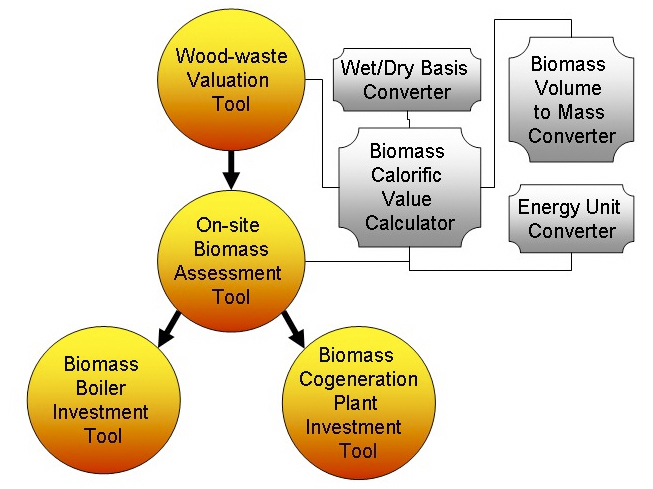
Tools & Calculators
They also feature a page filled with biostock conversion calculators:
• Wood waste valuation tool
• On-site biomass assessment tool
• Biomass boiler investment tool
• Biomas cogeneration plant investment tool
• Biomass Calorific value calculator
• Wet/Dry Basis Converter
• Energy Unit Converter


technorati , , , , , ,

December 15, 2006

Global BIOstock/BIOfuels Database

It is always gratifying to suddenly find a resource online that you considered so necessary that you had considered creating it yourself. Thanks to Friends of the Earth and the financial support of the Wallace Global Fund, this one happens to be free. Here is the website's introduction to this useful resource:

---------------------
The Global Biofuels Database

In response to mounting global concerns about the costs and impacts of fossil fuel consumption, the development of biofuels is growing rapidly around the world. Despite the recent biofuels boom, however, many of the environmental and social impacts of a biofueled world have not been fully examined or addressed.

To address the need for greater understanding of biofuels impacts, Friends of the Earth has developed the Global Biofuels Database, an online database that enables users to compare the environmental and social impacts of a wide range of transport biofuels.

Although a great deal of information is presented here, the Global Biofuels Database is still being expanded and improved. We are eager to receive your feedback, comments and input for an updated version of the database.

To use the Global Biofuels Database, please... START HERE


technorati , , ,

December 12, 2006

HAWAII: Powering Paradise with biofuels

Hawaii is rich in many things except the fuels that power industry, agriculture, transportation, and urban lifestyles, It imports almost all of the fuels it uses. The search for alternative energy sources has been an ongoing challenge for decades. Its quest is a microcosm of America's quest for a new way to address the need for clean renewable energy. What does it take to power "paradise"?

Hawaii's Public Utilities Commission has determined that it is time to find out. Here is a report from the Honolulu's Star Bulletin newspaper about the commitment the top utility in Oahu has made - with the firm resolve of the state government - to fuel its new power plant with ethanol and biodiesel. Rather than wait until commercial-scale technology has been proven elsewhere, in Hawaii the vision and commitment is coming first.

Here is a portion of the report ...

-------------
Biofuel to power HECO plant
A pact with the state has the firm using renewable fuels like biodiesel and ethanol
By B.J. Reyes, Star Bulletin

HAWAIIAN Electric Co.'s proposed 110 megawatt power plant at Campbell Industrial Park would be run entirely on renewable fuels such as ethanol and biodiesel under an agreement with the state's consumer advocate.

The commitment to power the plant completely on biofuels was finalized last week and submitted in writing to the Public Utilities Commission yesterday, at the opening of a weeklong series of public hearings about HECO's application to build the $137 million plant.

A commitment to alternative fuels -- those made mostly from agricultural products such as corn, soybeans, sugar and their byproducts -- would reduce the amount of fossil fuels, such as oil and coal, that account for an estimated 90 percent of the state's energy needs.

HECO originally had said it would initially use low-sulfur diesel and other more traditional fuels while pursuing a switch to alternatives and renewables as those fuels became more commercially available.

Robbie Alm, HECO's senior vice president for public affairs, said the state's promotion of alternative energy played a role in the company agreeing to the 100 percent commitment.

"After looking over what we believe is the reality of biofuels -- ethanol and biodiesel markets -- we felt we could make that commitment," Alm said.

As of April, 80 percent of all gasoline sold in Hawaii is required to be blended with 10 percent ethanol. Additionally, lawmakers this year passed a bipartisan package of bills aimed at lessening the state's dependence on imported fossil fuels through conservation and development of alternative fuels.

The first ethanol processing plants in Hawaii are expected to come online by 2007, while three of the state's largest landowners -- Maui Land & Pineapple Co., Grove Farm Co. and Kamehameha Schools -- in July announced the formation of a partnership to study the viability of a large-scale biofuels industry in the islands.

For more of this article, click HERE


technorati , , , , , ,

December 7, 2006

U.S. D.O.E. Information on "BIOstock" & Legislation

The U.S. Department of Energy Energy Information Administration (EIA) has a wealth of online biomass and energy data that shows the immensity of the biomass potential in the United States. It also catalogs the breadth of federal and state-by-state legislative efforts to address the alternative fuels challenge.

Want to start a national renewable energy enterprise? Then you might want to take a closer look at the Biomass Resources on Federal Lands map. It shows (in pink) where biomass resource potential outside Federal lands is and where (in green) 469 existing electric generating plants exist that utilize biomass energy. They estimate that, currently, only about 1.4% of U.S. electric energy is generated using biomass fuels.

That will change. The resource documents data up to 2004 but will be updated again this month.

The EIA site also contains a tutorial section aimed at students who are interested in learning energy basics. One entry of the Energy Kid's Page focuses on Biomass-Renewable Energy from Plants and Animals.

On the subject of Biomass...

"Biomass energy is derived from three distinct energy sources: wood, waste, and alcohol fuels. Wood energy is derived both from direct use of harvested wood as a fuel and from wood waste streams. The largest source of energy from wood is pulping liquor or “black liquor,” a waste product from processes of the pulp, paper and paperboard industry. Waste energy is the second-largest source of biomass energy. The main contributors of waste energy are municipal solid waste (MSW), manufacturing waste, and landfill gas. Biomass alcohol fuel, or ethanol, is derived almost exclusively from corn. Its principal use is as an oxygenate in gasoline."

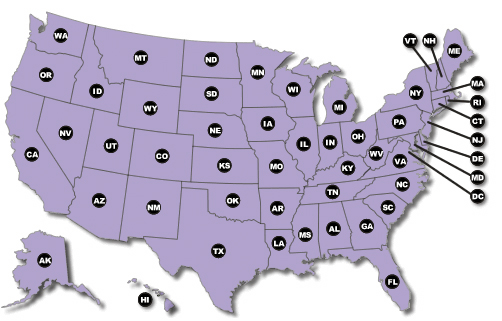
Database of State Incentives for Renewables & Efficiency - DSIRE is a comprehensive source of information on state, local, utility, and federal incentives that promote renewable energy and energy efficiency. The source can be researched for Renewable Energy and/or Energy Efficiency data.


technorati , , , , , , , ,